Latex is a resilient material used in bedding for its responsive support and ability to recover its shape after pressure is removed. In mattresses and pillows, latex can help distribute weight while providing a buoyant feel. Understanding latex construction and material sourcing can help explain how these products differ from other sleep surfaces.
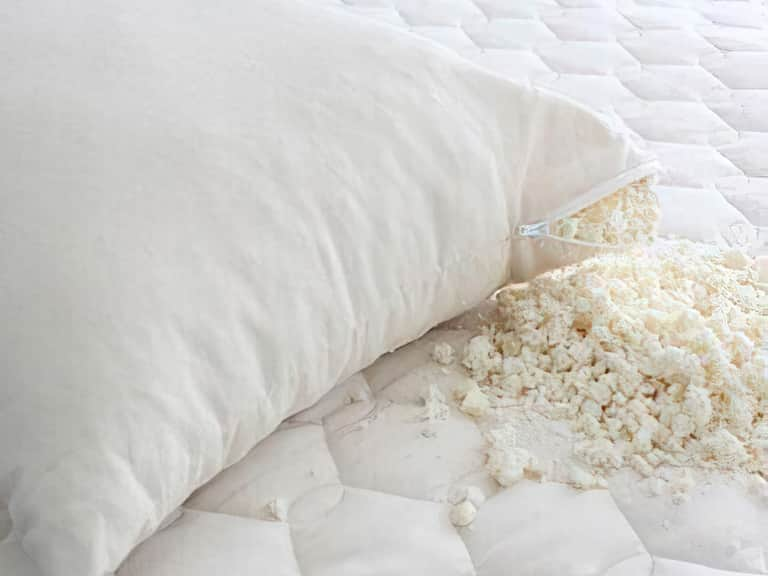
Natural latex is made from rubber tree sap, while some latex products may contain synthetic materials or blends. Natural latex organic mattresses typically emphasize certified or documented materials and production practices; specific standards vary by product. Latex may also be formed into solid layers or shredded pieces, creating different levels of flexibility and airflow.
Latex mattresses are often valued for responsive contouring, consistent support, and durability. Their performance depends on factors such as layer thickness, firmness, and the mattress design as a whole. These characteristics can affect pressure relief and sleeping posture, though comfort is personal and depends on body shape, sleep position, and individual preferences.
Latex pillows use the material’s springy structure to support the head and neck. The Savvy Rest Shredded Latex Pillow contains shredded latex, allowing the filling to shift and adjust rather than behaving like a single solid block. This construction can provide adaptable loft and a responsive feel for different sleeping positions.
As part of bedding, latex pillows and mattresses serve distinct purposes: mattresses support the body, while pillows help maintain comfortable head and neck alignment. Latex products may appeal to people seeking resilient, adaptable sleep surfaces, including those considering natural latex organic mattresses. Reviewing materials, care instructions, and construction details helps clarify their suitability.
 Bedding