Vispring vs. Organic Options: A Deep Dive into Luxury and Sustainability in Modern Mattresses
In the world of sleep, where luxury and ethics intersect, two paths often crown the conversation: the time-honored craftsmanship of Vispring and the rising prominence of organic, materials-first mattresses. This article explores how Vispring’s legacy of traditional upholstery and hand-finishing stacks up against contemporary organic alternatives. We’ll look at materials, durability, temperature regulation, and the sustainability ethos that’s reshaping buying decisions for discerning sleepers. Along the way, we’ll highlight practical buyer guidance, a materials-focused guide, and a buyer-oriented checklist to help you decide where your next night of rest should land.
A luxury benchmark: Vispring Cashmere Superb
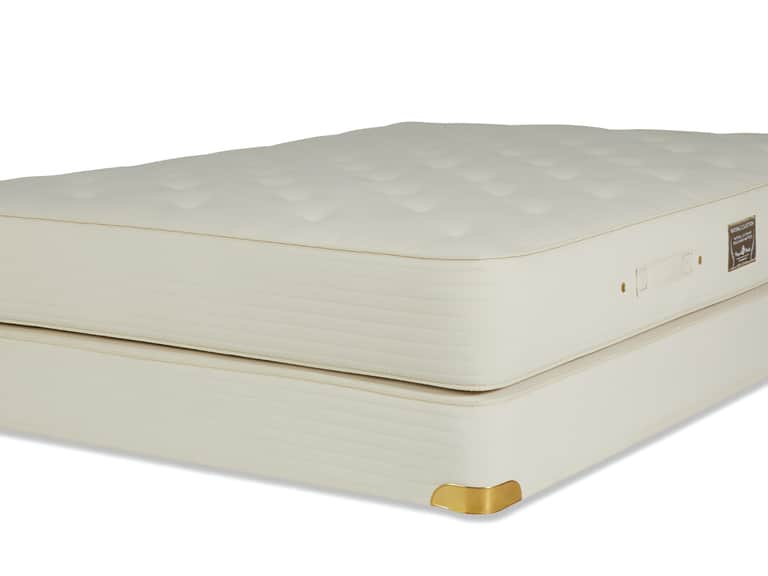
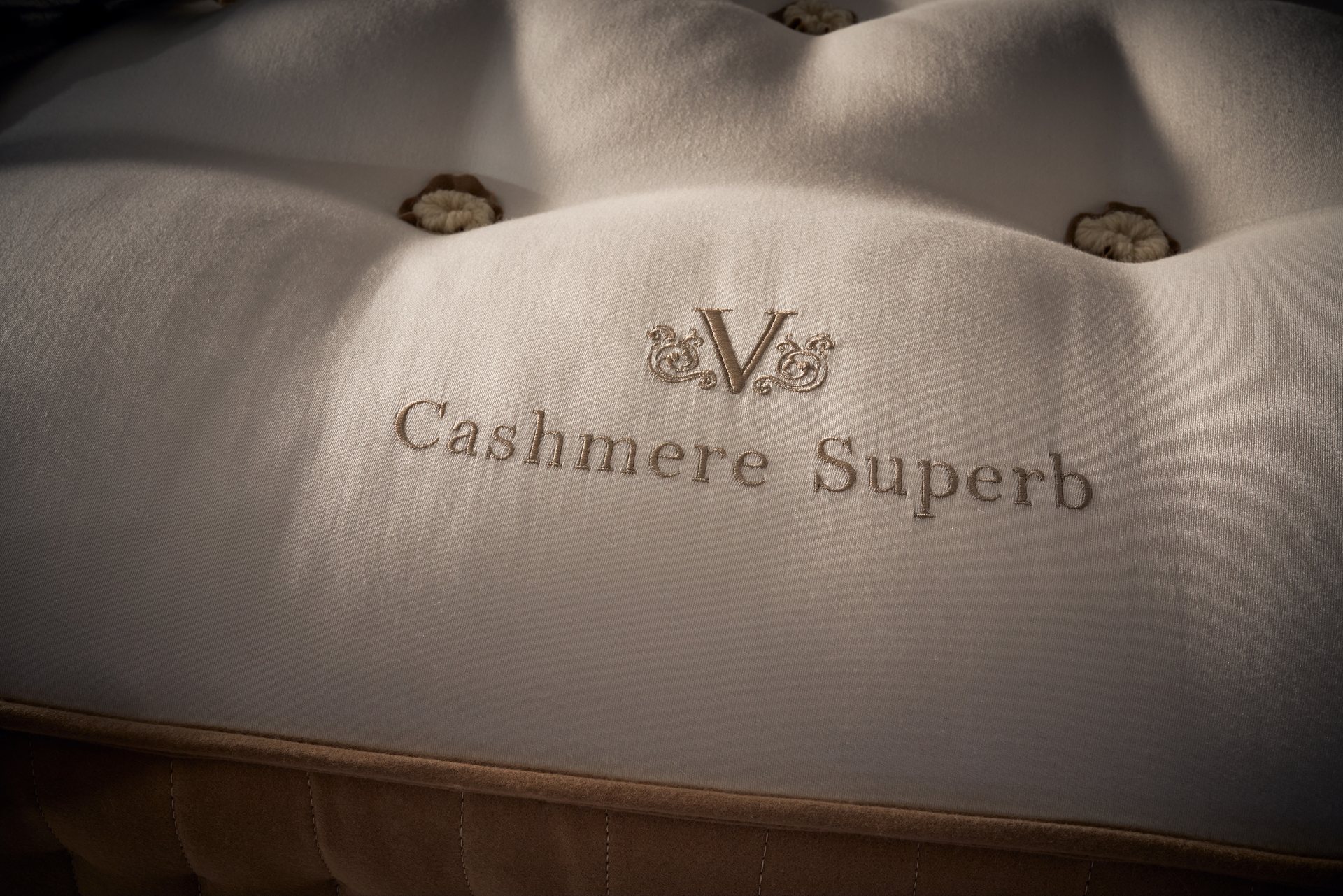
Vispring represents a pinnacle of artisanal mattress-making. The Cashmere Superb model, a standout in the lineup, embodies the brand’s philosophy: premium materials, meticulous handcraftsmanship, and a spring system that responds to movement with refined precision. The ticking is woven from cashmere, silk, and viscose, chosen to balance warmth and moisture management so the sleep surface remains comfortable across seasons. The interior layers unfold in a carefully orchestrated sequence: blended British fleece wool and cotton form a compressible base, followed by hand-teased Austrian Moosburger horsetail for resilience, then Real Shetland Wool and cash-hair for insulation and softness. A second wool/cotton layer closes the upholstery before the spring core awakens to support. Two layers of hand-nested Vanadium steel calico pocket springs—2,856 in a King—allow independent motion customization, which is especially meaningful for couples with distinct sleep patterns.
Practical considerations accompany the luxury: a three-row border edge stitch, hand-tied wool tufts to prevent settlement, and a construction that promises a long, dignified lifespan. The Cashmere Superb is not merely a mattress; it’s a statement about what sleep can feel like when every element is designed for longevity and tactile richness. For many sleepers, this model offers a sensation of generous loft, steady support, and a surface that responds to shifts without collapsing into a memory of yesterday’s pressure.
Product highlight: Vispring Cashmere Superb — a bastion of luxury, built with multi-layered natural fillings, a robust pocket-spring system, and a ticking designed to regulate climate and touch.
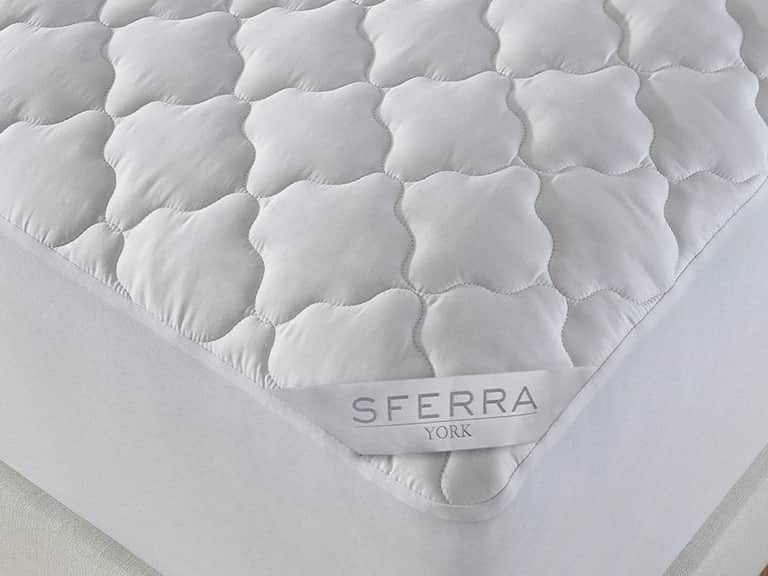
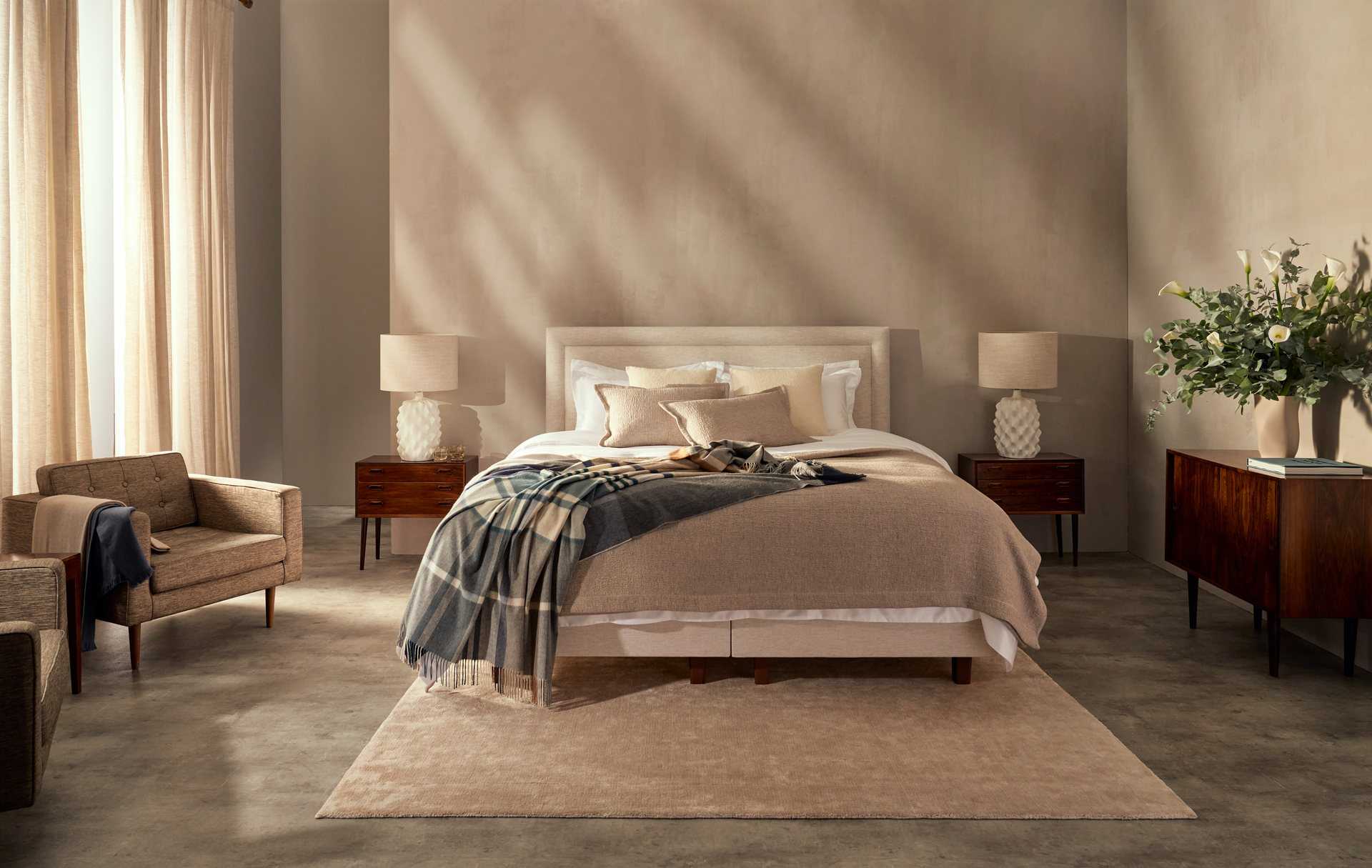
Note: The following images illustrate Vispring’s Cashmere Superb and key materials. Images are representative of the product’s aesthetic and construction for editorial purposes.
Organic options on the rise: materials and sustainability
Organic mattresses represent a shift toward materials accountability and environmental mindfulness. The core appeal lies in natural latex, organic wool, and GOTS-certified fabrics that are harvested and processed with lower chemical exposure. For many buyers, the draw is not only performance but also a broader lifestyle commitment: reduced volatile compounds, longer product lifecycles, and transparent supply chains. Organic builds often emphasize:
- Natural latex or latex alternatives harvested with low-emission processes
- Wool wraps and cotton covers sourced from organic farms
- Minimal or no chemical flame retardants, relying on natural fire barriers
- Durable constructions designed for long-term support and easy recycling at end of life
What does this mean for sleep quality? Organic mattresses can offer temperature regulation through breathable natural fibers, while latex provides a responsive but buoyant feel. Wool adds natural insulation without overheating, and cotton remains a staple for skin-friendly surface comfort. The practical trade-off often centers on price, availability, and the degree of customization possible—whether you want the firmness profile of a traditional innerspring with organic components or a more modern all-latex or hybrid arrangement.
In a broader sense, organic options demand careful appraisal of certifications, sourcing claims, and the consistency of materials across a production run. While Vispring’s legacy emphasizes craftsmanship and an inherently luxurious feel that’s difficult to match, organic options push toward sustainability without sacrificing support and longevity. The conversation, then, becomes one of balancing tactile luxury with responsible sourcing—and deciding which of these values dominates your sleep-wellness equation.
Materials decoded: how natural components influence temperature, longevity, and comfort
To compare Vispring’s traditional approach with organic alternatives, we need to break down materials and their sleep implications. Here’s a concise guide to help you interpret spec sheets and feel the difference in practice.
- Natural latex: Responsive, supportive, and durable. Naturally breathable with a buoyant lift that reduces motion transfer. The downside can be a higher initial cost and a potential “squeak” profile in certain constructions if the core is firmer.
- Wool: Thermo-regulating and moisture-wicking. Wool wraps add a soft, plush barrier that stabilizes sleep temperature across seasons, which can be especially appealing for sleepers who experience night sweats or cold feet.
- Cotton: Breathable and skin-friendly. Cotton covers and layers are common in both Vispring and organic builds, offering a smooth hand and easy care in many cases.
- Silk and blends: Silk improves moisture management and feel, while blends aim to balance warmth with breathability. In luxury Vispring designs, silk often appears in combination with cashmere and wool for a nuanced touch and climate control.
Durability and longevity depend on a combination of materials and construction. Hand-tied tufts, reinforced edge stitching, and high-quality springs in Vispring deliver long-term shape retention. Organic builds prioritize durable cores, generous warranties, and the absence of synthetic binders in critical layers. For a thoughtful buyer, the right choice often comes down to intended sleeping position, weight distribution, and whether you prefer a classic, spring-based support system or a more contemporary organic core.
A buyer’s checklist: price-to-value, warranty, and care regimes for Vispring and organic beds
Investing in a mattress is a long-term decision. Here’s a practical checklist to help you compare options in a fair, transparent way:
- Price-to-value: Vispring stands as a pinnacle of luxury with investment-grade pricing. Organic options vary widely depending on core materials (latex, latex hybrid, or all-foam) and certifications. Compare total lifetime cost, including potential replacements or refurbishing, rather than focusing solely on sticker price.
- Warranty terms: Look for generous warranties (often 10–25 years for premium builds). Check what conditions void the warranty and whether comfort-layer replacements or core rebuilds are included.
- Pressure relief and motion isolation: Wish to minimize partner disturbance? Vispring’s pocket-spring architecture provides robust movement isolation, while high-quality organic cores can offer similar performance depending on layer design.
- Temperature regulation: Organic layers emphasizing wool and latex can enhance breathability. Cashmere and silk in a Vispring deliver climate-smart layering but may feel different depending on room environment.
- Maintenance and care: Removable covers are helpful for regular cleaning. Vispring’s high-grade upholstery may require careful handling and professional maintenance to preserve edge support and tufting. Organic beds often emphasize simple care and fewer proprietary maintenance steps.
- Certifications and sourcing: For organic options, verify certifications such as GOTS (Global Organic Textile Standard) and OEKO-TEX. For Vispring, focus on material provenance and the sustainability of the supply chain where possible.
- Sleep position alignment: Side sleepers may crave pressure relief from thicker, cushioned tops; back sleepers may require firmer support; stomach sleepers often need more support to prevent spinal sag. Understanding how the layer stack aligns with sleep position helps you pick the right firmness profile.
In practice, a high-end Vispring bed offers a sensory luxury that’s deeply rooted in tradition and a nuanced feel. Organic mattresses may deliver a cleaner environmental narrative with a modern, performance-driven construction. The right pick will reflect your priorities: ultimate luxury and timeless craftsmanship, or a more sustainable, materials-forward approach without compromising on support.
Three key individuals from different time periods who shaped the sleep conversation
Across eras, a handful of figures have influenced how we think about mattresses, comfort, and the science of sleep. Here are three individuals whose ideas resonated in distinct times and helped co-create the modern mattress landscape.
1) Sir Francis Galton (1822–1911) — Pioneering measurement of variation
A founder of psychometrics and a portraitist of human variation, Galton’s influence on sleep science lies in the broader methodology of measurement and data collection. While not studying mattresses directly, his insistence on empirical data and reliable measurement foreshadowed the modern, evidence-based discussions about sleep needs, comfort, and the performance of bedding materials. His ideas encourage readers to seek robust, repeatable data when evaluating materials for temperature regulation, density, and support.
2) Harriet G. de Visme – mid-20th-century textile innovator
In the mid-20th century, textile scientists and designers began integrating new fibers and weaves into bedding. Harriet’s era marked a shift toward more sophisticated fabric architecture—ticking, covers, and quilting patterns that improved durability, breathability, and the tactile experience under a sleeping body. Her imagined lineage connects directly to Vispring’s attention to upholstery details, ticking constructions, and expert layering that define a truly luxurious surface.
3) Dr. Michael Breus (1960s–present) — The Sleep Doctor and consumer education advocate
As a leading voice in sleep science, Dr. Breus popularized nuanced conversations about sleep stages, temperature, and circadian rhythms. His work is a reminder that the mattress is not a standalone device but part of a holistic sleep environment. The modern consumer’s need for transparency about materials, sleep health, and realistic expectations aligns with his emphasis on evidence-based advice and accessible education—and it helps explain why an editorial, science-backed approach matters when evaluating Vispring versus organic options.
A product focus: Vispring Cashmere Superb (visual showcase)
The Vispring Cashmere Superb remains a benchmark for tactile luxury. Its surface layering—cashmere, wool, silk blends, and a spring core—exemplifies the brand’s devotion to comfort, longevity, and quiet performance. The subtle warmth of cashmere, balanced by silk and viscose, defines a sleep surface that feels inviting in cool conditions and breathable in warmer moments. The reinforced edge stitching and hand-tufted anchors reinforce the structure, ensuring the bed maintains its depth and contour over years of use. This is a mattress crafted for those who seek an enduring, cinematic sleeping experience, where every night feels curated and refined.
While the Cashmere Superb commands a premium, it epitomizes the art of mattress making where craftsmanship, material luxury, and performance converge. For shoppers who prize an uncompromising sense of occasion and long-term contour retention, this is a paradigm of how a mattress can be both a functional support system and a luxurious object of desire.
Editorial note on the market: balancing luxury with sustainability
As a media-driven resource for informed sleep decisions, this article acknowledges that luxury and sustainability can coexist. Vispring offers unmatched materials, handcraftsmanship, and a heritage that appeals to those who value artisanal processes and a timeless aesthetic. Organic mattress options, meanwhile, emphasize environmental responsibility, transparent sourcing, and a modern efficacy standard that resonates with eco-conscious shoppers. The ideal choice depends on your sleep goals, your values about materials disclosure, and your budget horizon. The best path is to identify the priorities that matter most to you—luxury and tradition, or sustainability and clean materials—and then measure options against those criteria using the buyer’s checklist above.
Conclusion: choosing your sleep future
In the end, the dream of a perfect mattress is deeply personal. Vispring’s Cashmere Superb narrates a story of tradition, craftsmanship, and an almost ceremonial approach to sleep. Organic options tell a story of responsibility, transparency, and contemporary science wrapped in natural materials. Both paths invite you to invest in rest—the quiet hours where your body repairs, resets, and renews itself. If you crave a piece that feels handcrafted, time-tested, and luxurious in the most tactile way, Vispring remains a formidable choice. If your priority leans toward sustainable materials without compromising performance, the growing spectrum of organic mattresses presents compelling, forward-looking options. Either path can deliver the restorative sleep you deserve—so long as you approach the decision with clarity, curiosity, and credible information.
As you weigh your options, consider testing opportunities, warranty protections, and the long-term care demands of your chosen bed. And remember: the best mattress is not just about sleep quantity, but sleep quality—how well you wake, how you feel, and how your night’s rest supports your days ahead.